Product Description:
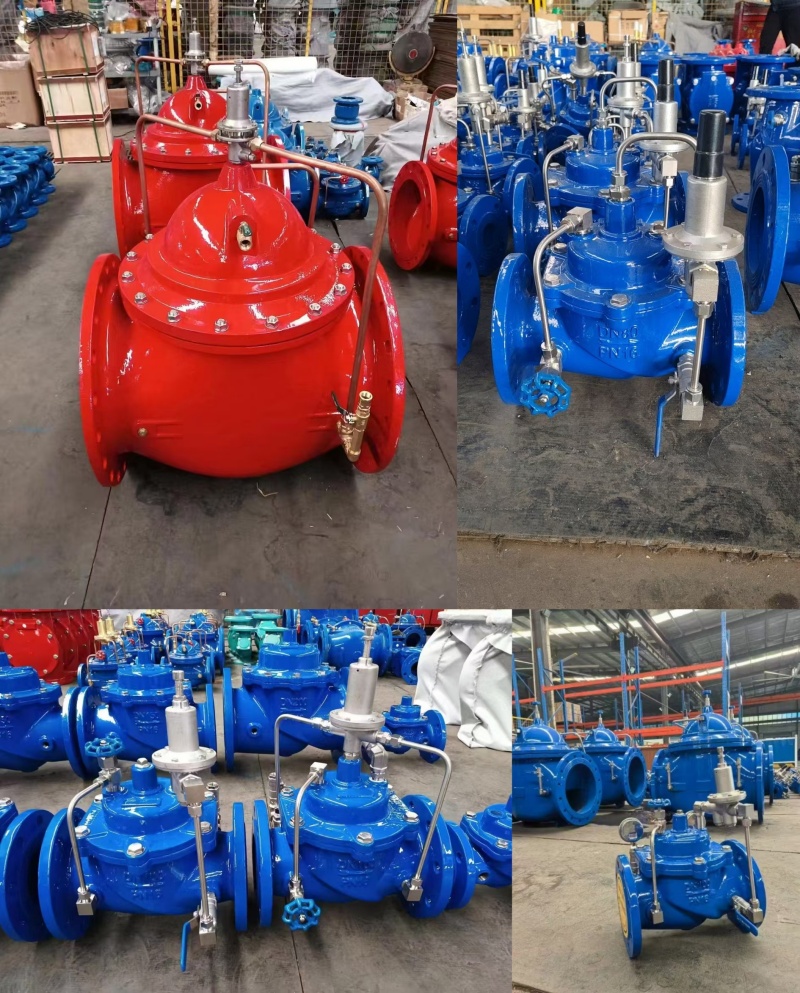
Flow Control Valve
A Flow Control Valve is a type of valve used to regulate the flow rate or direction of fluids (liquid or gas) within a system.
It operates by varying the size of the flow passage, often in response to a manual adjustment, mechanical signal, or automated actuator.
Common in hydraulic systems, pneumatic systems, and process piping, it helps maintain consistent flow, optimize performance, and enhance system efficiency.
Types include needle valves, throttle valves, and pressure-compensated flow regulators.
Features:
High precision pressure regulation within ±1%~±3% set pressure;
Large flow capacity, suitable for main pipeline high differential pressure decompression;
Stable outlet pressure against inlet pressure & flow fluctuation;
Optional remote control pilot valve for automatic adjustment.Application: Boiler steam pipeline, high-rise building water supply, fire protection pipeline, air compressor station, heating heat exchange station, chemical process piping.
Core Technical Parameters:
1. Nominal diameter: DN15 to DN600.
2. Nominal pressure: PN16/PN25/PN40/PN64; American standard Class150 to Class400.
3. Stabilization accuracy: ±1% to ±3% of set pressure (for direct-acting pressure reducing valves, only ±5% to 10%).
4. Pressure reduction ratio: Maximum 20:1, capable of significantly reducing high pressure.
5. Medium temperature:
Piston-type steam model: -20℃ to 350℃.
Diaphragm water model: 0℃ to 120℃.
6. Leakage grade: Hard seal Class IV, Soft seal bubble-level seal.
7. Installation method: Valve body installed horizontally, valve cover facing upwards, capillary tube straight without bending.
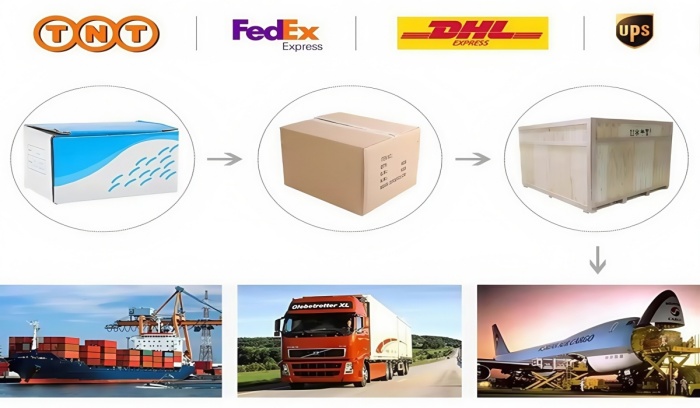
All valves are equipped with professional export protective packaging.
With protective caps on the sealing surfaces, rust-proof treatment, and shock-absorbing material filling to ensure intact transport; the loading is secure and safe.
We can also customize packaging according to customer requirements.
Regarding transportation methods, we can provide appropriate transportation options based on the cargo requirements and the customer's timeliness requirements.
Common transportation methods include: sea freight, air freight, land freight, and express delivery.